Rethinking the European Summer: Travel in a Warming World
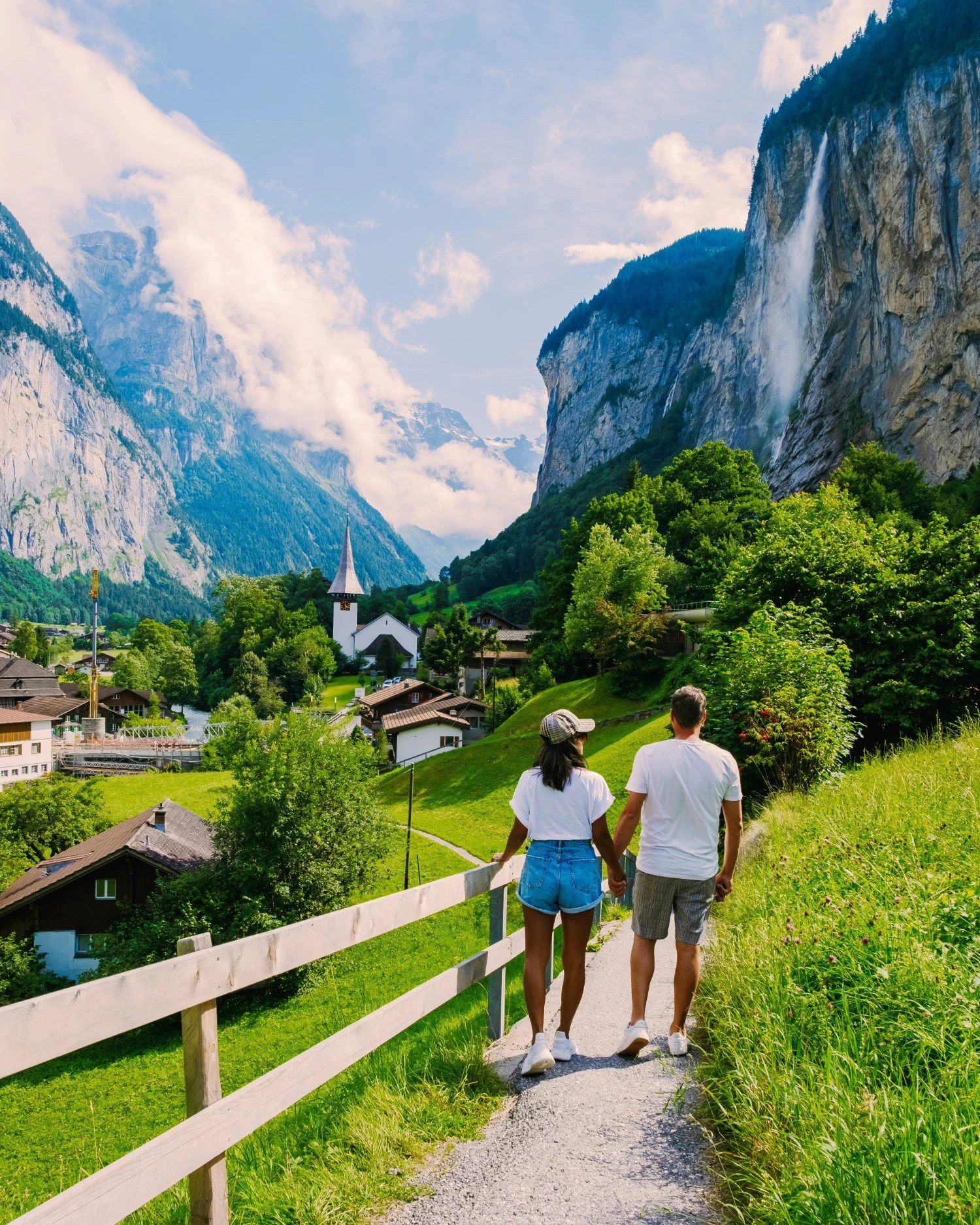
For many of us, a summer holiday in Europe is something we take for granted, heading south in July and August to enjoy sunny days beside the sea and warm evenings al fresco.
In recent years, however, things have started to change. Temperatures are rising quickly, heatwaves are lasting longer and summer days above 40°C are no longer exceptional in parts of southern Europe. At that level of heat, sightseeing may be exhausting or unsafe, restaurant terraces can sit empty until late evening and even time beside the pool offers little relief. Meanwhile, prolonged heat and drought leave forests and surrounding landscapes dangerously dry, increasing the threat of devastating wildfires. Europe is warming more than twice as fast as the global average, so these conditions are becoming an increasingly important part of deciding where and when to travel.
At the same time, Britain is warming too, with those long, cloudless days becoming a fixture of summer at home. So what does this mean for our beloved summer holiday? We certainly don’t need to abandon Europe, but it does make sense to rethink some established habits about when, and how, we travel.
More travellers are choosing southern Europe in May, June, September and October, when temperatures can be more comfortable and historic towns, beaches and cultural sites are less crowded. Others are looking north during the traditional summer months, fuelling the rise of ‘coolcations’ in unexplored destinations such as Scandinavia, Scotland, the Baltic and cooler mountain or coastal regions. Research cited by the European Travel Commission found that 28% of European travellers were actively seeking milder destinations with a lower risk of extreme heat.

Wildfire risk should also become part of practical holiday planning. While fires are often highly localised and do not mean you need to avoid entire countries, conditions can change quickly. Flexible arrangements and accommodation with strong local support are becoming increasingly important. Travel insurance policies also vary considerably in their treatment of wildfires and other natural disasters, so it’s important that you look specifically for catastrophe cover and understand what is included before booking.
Despite these challenges, there is also opportunity for more responsible and enjoyable travel. Travelling outside the hottest and busiest weeks can give you a better holiday while easing pressure on places struggling with overtourism, water shortages, waste and overstretched infrastructure. Spending with independent businesses and visiting less crowded regions can help ensure truly tourism supports the places we value.
In this changing climate, luxury travel is increasingly about choosing well. The best holidays happen when you can be open-minded about where and when to go, travel outside the busiest and hottest periods and seek out places where tourism supports local communities. The result can be a better holiday for you and a more positive outcome for the destination.
A knowledgeable travel planner can help you make choices that feel right for both the season and the destination. That might mean travelling at a different time of year, considering somewhere you had not originally thought of or choosing a hotel that is more closely connected to the place around it.
At Virtuoso Luxury Travel, we bring that perspective to every journey, drawing on personal knowledge and trusted relationships to create rewarding holidays that are just right for the moment – and for you.